





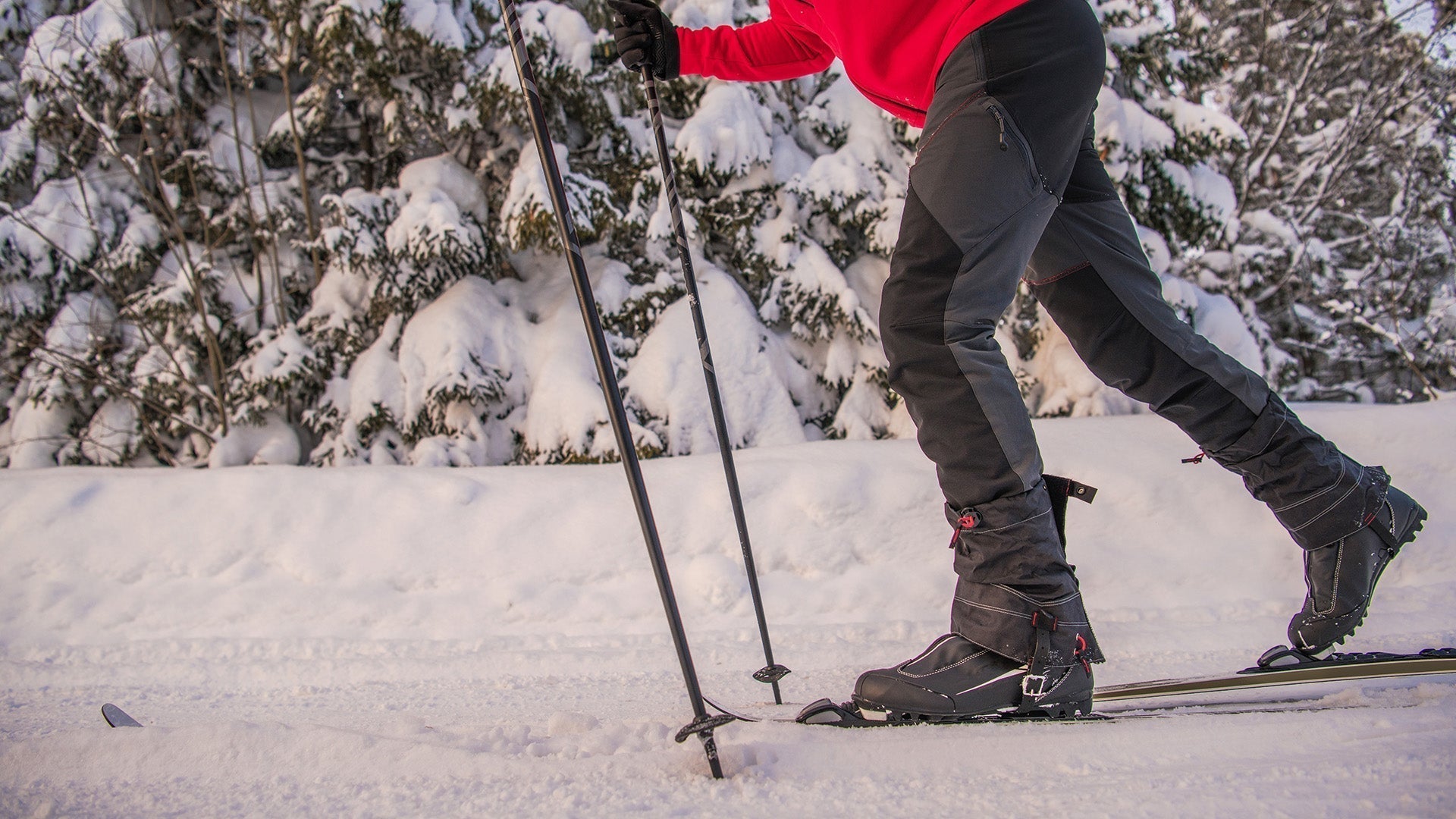
Key Takeaways
- Spidertech kinesiology tape has practical applications in winter sports for managing post-exercise soreness, enhancing sensory feedback in cold environments, and supporting fatigued muscles and joints during demanding movement patterns. Randomized evidence in winter contexts (e.g., cross-country skiing) shows it can reduce muscle soreness after prolonged activity.
- Broader sports science research shows that kinesiology tape’s effects on performance and muscle strength in healthy athletes are limited or inconsistent, but evidence supports proprioceptive and pain modulation effects that are meaningful in dynamic, high-impact sports environments.
- In winter conditions, adhesion challenges require specific application strategies (skin prep, adhesive activation, warm skin, moisture control) to ensure tape remains effective despite cold and moisture.
- Best practice is to combine tape with structured warm-up, conditioning, and recovery protocols rather than rely on tape alone for major performance or injury prevention effects.
Winter sports, from alpine skiing and snowboarding to ice hockey and cross-country skiing, place unique demands on the body. Athletes contend with rapid directional changes, high-impact landings, repetitive loading, and cold conditions that alter sensory feedback and tissue responsiveness. With the 2026 Winter Olympics approaching, many clinicians, trainers, and athletes are interested in practical, evidence-informed tools to help support performance, manage soreness, and enhance movement quality.
Spidertech kinesiology tape is one such tool. Widely visible on athletes at major competitions, this elastic therapeutic tape is thought to provide sensory input, proprioceptive cues, light mechanical support, and pain modulation. Below we review what research actually supports, how tape is used in winter sport settings, and best practices for application.
1. What Winter Sports Demand From The Body
Winter sports often combine:
- High-impact forces (landing jumps in freestyle, moguls, snowboard big air, etc.)
- Repetitive, asymmetrical movements (skating strides in hockey, skate skiing technique)
- Cold exposure and restricted sensory feedback
- Extended competitive events or multi-run training sessions
These factors contribute to muscle fatigue, delayed onset muscle soreness (DOMS), and increased risk of soft-tissue discomfort or minor strains, all contexts where kinesiology tape is often applied.

2. Kinesiology Tape Effects In Winter Contexts
Muscle Soreness In Skiing
One of the few randomized controlled trials directly in a winter sport setting evaluated kinesiology tape’s effect on lower back soreness in collegiate skiers after prolonged cross-country ski camp activity. Results showed that tape significantly reduced lower back muscle soreness 24 hours after application compared with placebo or no tape. This suggests that in physically demanding winter training, tape can help manage delayed exercise-induced discomfort.
3. What Sports Science Says About Tape
While studies in winter sports are limited, large bodies of research in broader athletic populations provide context:
- A 2024 scoping review of kinesiology tape in sports found that about half of studies report some evidence of effectiveness, including effects on pain, proprioception, and function, while the remainder show no clear benefit. The heterogeneity reflects the variability in taping goals and outcome measures.
- A 2024 systematic review and meta-analysis on muscle strength concluded that kinesiology tape does not reliably improve muscle strength in athletes with or without injuries, underscoring that tape alone is not an ergogenic aid for power or force output.
- Earlier meta-analyses show that kinesiology tape may reduce pain modestly in musculoskeletal conditions but that the clinical meaning can be limited depending on the situation.
These broader findings help frame how kinesiology tape can be a useful support tool rather than a performance enhancer.
4. Benefits Of Spidertech For Winter Sports
Although evidence specific to winter athletes is still emerging, use cases drawn from both winter settings and wider sport science include:
Sensory And Proprioceptive Support
Cold temperatures can reduce cutaneous sensation and neuromuscular response. Tape’s cutaneous stimulation provides extra sensory feedback, which may help maintain balance and movement efficiency during rapid changes in direction or uneven terrain, a common winter sport demand.
Fatigue And Soreness Management
Repeated downhill runs, skating strides, and jumping landings lead to muscle fatigue and soreness. Kinesiology tape’s potential to modulate perceived discomfort may help athletes tolerate longer training sessions or back-to-back runs with less discomfort, similar to DOMS contexts.
Joint And Muscle Support Without Restriction
In winter sports, athletes need a full range of motion while also wanting light support in high-load areas (knees, ankles, lumbo-pelvic region). Unlike rigid tape, kinesiology tape allows movement while offering proprioceptive cues that may support motor control.
Face/Frost Shield
Some sports such as cross-country skiing or Biathlon endure have athletes endure harsher environmental conditions. In such cases, Spidertech can be used to help protect the sensitive exposed areas of the face.

5. Best Application Practices For Winter Conditions
Winter environments pose unique challenges for adhesive applications. In order to achieve optimal tape performance, below are a few key tips:
Skin Preparation
- Ensure skin is clean, dry, and free of lotion or oils.
- Rubbing and warming up the skin before application helps the adhesive bond more securely in cold conditions.
Activate Adhesive
- After applying tape, rub firmly for 10–15 seconds to activate the heat-activated adhesive, especially essential in cold air.
Placement
While specific taping patterns depend on the sport and athlete, common winter placements include:
- Knees - support during carving and weight changes
- Ankles - stability during pivots and landings
- Lower back - comfort and posture support during skating strides or alpine racing
- Shoulders - balance and control in freestyle, bobsled, and ice hockey
- Face - wind protection during cross-country events

6. Why Spidertech Remains Popular In Winter Sports
Even though evidence for performance enhancement is limited, tape continues to be used heavily in winter sports for several reasons:
-
Low risk and non-restrictive support, making it appealing in contexts that demand full mobility.
-
Psychological comfort and sensory feedback — athletes often feel more aware and confident with tape applied, which may indirectly influence performance.
- Habit and tradition in sports medicine practice, where tape has long been integrated into rehabilitation and support protocols.
Bottom Line
Spidertech kinesiology tape is a practical adjunct in winter sports for managing soreness, enhancing sensory feedback in cold environments, and supporting fatigued musculature and joints without restricting motion. Direct research in winter sport populations is still limited, but evidence from cross-country skiing and broader athletic contexts supports tape’s role in perceived discomfort reduction, proprioceptive support, and multi-modal athlete care. For best results, apply tape with appropriate skin prep and in combination with structured warm-ups, strength training, and recovery protocols.
Learn More
Our comprehensive Skool platform covers taping techniques as well as free webinars that go over taping efficacy. Sign up for free and start taking advantage of our courses.
References:
- Acute and 24 h effect of kinesio taping on lower back muscle soreness during continues practice of cross-country skiing among collegiate students. A double-blind, randomized, placebo-controlled trial
- Kinesio taping in sports: A scoping review
- Does kinesio tape alter muscle strength in athletes? - Systematic review and meta-analysis
- Effect of kinesiology taping on pain individuals with musculoskeletal injuries: a systematic review and meta-analysis
Share:
Why Does Kinesiology Taping Continue to Gain Public Appeal?
Using Spidertech For Damaged Skin: Post-Surgical Scars & Scar Healing