





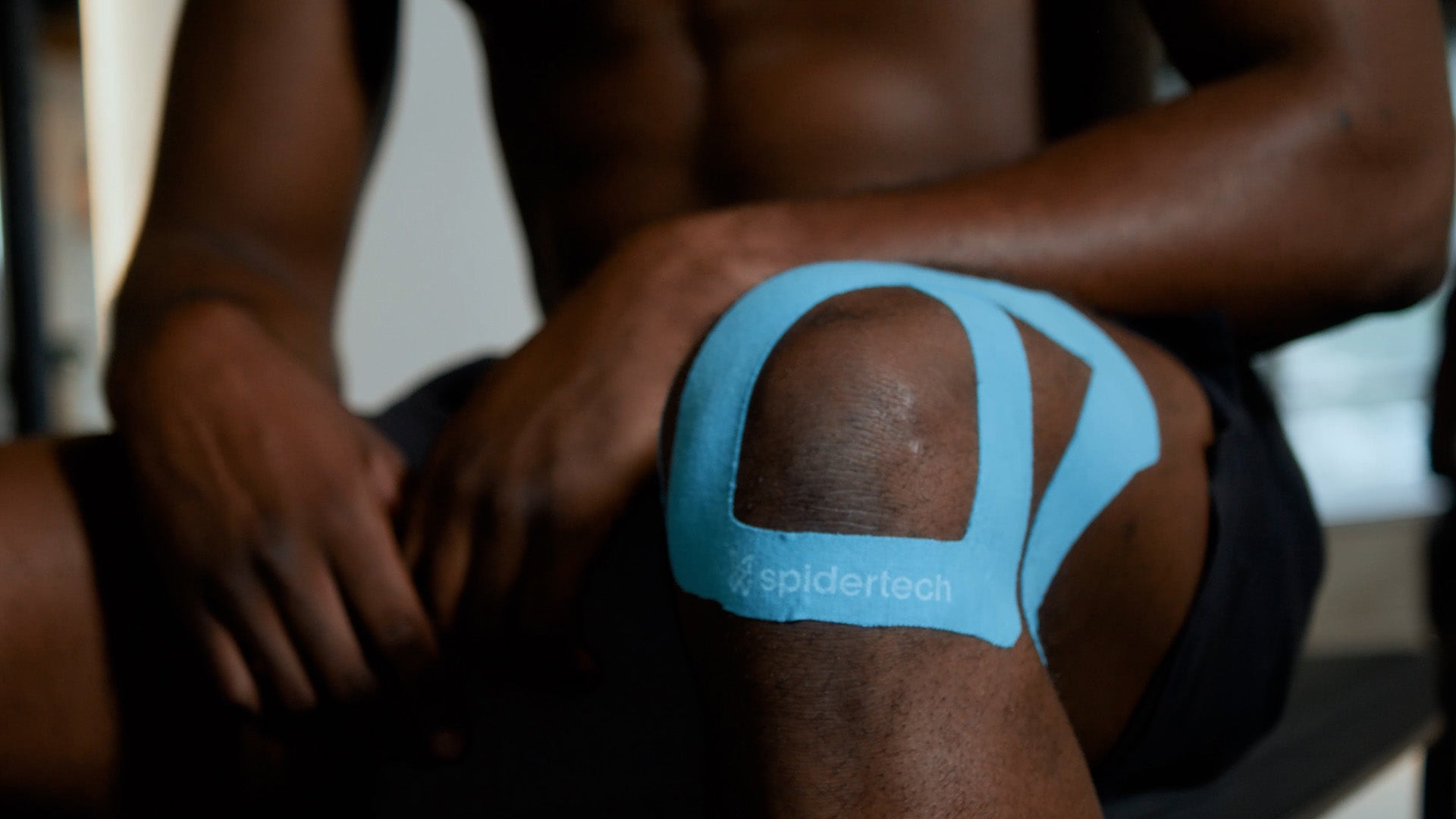
Key Takeaways
-
Incorporating Spidertech Kinesiology Tape into athletic and rehabilitative training can provide short-term pain relief, proprioceptive enhancement, modest functional support, and improved tolerance for movement or activity.
-
Spidertech tape is most effective as an adjunct to structured training and load-management strategies rather than as a standalone performance enhancer.
-
Evidence from clinical and sport science studies supports benefits in several areas, including pain modulation, muscle activation patterns, proprioception, and recovery after fatigue.
-
Spidertech tape should be applied with evidence-informed technique and clear objectives, and clinicians should track outcomes within training programs.

A Training Reset For The New Year
With a new year of training cycles and performance goals ahead, athletes and trainers are looking for smart tools that support consistent progress, reduced downtime, and injury resilience. Kinesiology tape is one such tool that, when used thoughtfully, can strategically support training adaptations, pain management, proprioception, and preparation for competition. This post outlines seven evidence-supported reasons to incorporate kinesiology taping into your training plan.
1. Enhanced Pain Modulation During Activity
One of the most common reasons athletes use kinesiology tape is for short-term pain relief. It can reduce perceived pain during activity or training sessions, likely through sensory input mechanisms that modulate nociceptive signals (consistent with gate/gain control theory). Randomized trials and clinical studies report statistically significant short-term reductions in pain intensity when kinesiology tape is added to exercise or activity compared with no tape or sham. In studies of patellofemoral pain and other musculoskeletal complaints, pain relief is often accompanied by improved functional outcomes.
Training application: Use kinesiology tape during key training sessions when pain might otherwise limit performance (e.g., early return phases, high-volume weeks) while ensuring underlying mechanics are addressed with technique and strength work.
2. Improved Proprioception And Movement Awareness
Proprioception, the body’s ability to sense position and movement, is crucial for efficient, coordinated athletics. Several studies show that kinesiology tape can improve joint position sense and balance measures, particularly when fatigue challenges sensorimotor control. Enhanced proprioception may help athletes maintain form under stress, potentially reducing aberrant movement patterns that contribute to injury risk.
Training application: Apply tape during drills requiring precision or balance (e.g., agility ladders, plyometrics) to support sensorimotor feedback.

3. Supporting Muscle Activation And Coordination
Research demonstrates that kinesiology tape can alter muscle activation patterns, often increasing activation in under-recruited muscles or altering timing of recruitment. For example, trials show changes in gluteal or quadriceps EMG activity with specific tape applications. These modest changes may enhance motor control and recruitment patterns that are critical during complex movements like squats or explosive outputs.
Training application: Use taping in technical movement drills where coordinated muscle recruitment is essential (e.g., deadlifts, Olympic lifts, sprint starts) while athletes learn ideal activation patterns.
4. Facilitating Recovery After Fatigue Or Intense Sessions
Emerging evidence indicates that kinesiology tape may help reduce soreness and subjective fatigue after intense training, potentially through sensory and circulatory mechanisms. A 2024 meta-analysis on lower-limb kinesiology tape post-fatigue reported significant reductions in pain and moderate improvements in muscle strength recovery at 48 hours post-exercise compared with no tape or placebo. These post-fatigue effects support tape’s use during heavy phases of training or tournaments when recovery time is limited.
5. Adjunct To Acute Injury Management And Early Rehab
In acute soft tissue injuries (e.g., sprains, strains) kinesiology tape can be a complement to conservative care, especially in the early stages when athletes still need gentle movement. Trials in shoulder and knee injury populations show that kinesiology tape can reduce pain and improve functional ROM when paired with rehabilitation exercises. While tape is not a replacement for structured rehab, it can facilitate movement without significant restriction, helping athletes stay active in safe ranges.
Training application: Integrate taping into early rehab sessions alongside manual therapy and progressively loaded exercises.
6. Reduced Reliance On Analgesics During Training
Several clinical trials report that kinesiology tape reduces the need for analgesic medications during training or rehabilitation phases compared with control groups. This is particularly valuable in competitive periods when athletes and clinicians want to minimize medication load while still maintaining training continuity. In acute low back pain studies, tape users consumed fewer analgesics in the first two weeks compared with education-only groups.
Training application: Implement tape as part of a strategy to manage discomfort without routine pharmacological support, especially in athletes sensitive to medication side effects or with restrictions on NSAID dosing.

7. Positive Psychological And Placebo-mediated Effects
Beyond direct physiological mechanisms, kinesiology tape can provide psychological benefit that enhances training adherence and confidence. Placebo and expectation effects are real drivers of performance and pain perception, particularly in high-pressure competitive environments. Controlled studies using sham taping still show performance or pain benefits, which partially reflect expectation and sensory engagement. Strong positive expectation combined with sensory input can meaningfully alter perceived exertion and readiness.
Training application: Integrate kinesiology taping into athlete support plans especially during heavy competition phases or when confidence and comfort are critical.
When Kinesiology Taping Does Not Help — Realistic Boundaries
While kinesiology taping can add value in the seven areas above, it has limited or no evidence for:
-
Producing long-term structural changes (posture, soft-tissue length) when used alone.
-
Serving as a primary treatment for chronic pain without exercise or load management.
-
Fully replacing rehabilitation, motor control training, or strength conditioning.
-
Generating large passive range-of-motion gains without active interventions.
Clinicians and athletes should use kinesiology tape as part of a comprehensive training strategy, not a stand-alone fix.
Practical Guidance For Incorporating Taping Into Training
- Define the goal: Before applying tape, clarify what you intend to improve (Pain modulation, proprioception, sympton relief during activity, recovery).
- Standardize taping protocols: Use evidence informed placement, correct tension, and document application so results can be tracked.
- Measure outcomes: Use objective testing (pain scales, functional tests, strength metrics) pre and post-tape application to assess effectiveness.
- Integrate with training cycles: Apply tape strategically during heavier loads, high-competition periods, or early rehab phases: taper use when training loads are lighter or once movement quality improves.
Bottom Line
Kinesiology tape can be a valuable adjunct to training in multiple domains — pain modulation, proprioception, movement facilitation, recovery, acute injury support, reduced analgesic reliance, and psychological readiness. It is not a magic fix, but when applied with clear goals, sound technique, and as part of a broader training and rehabilitation strategy, it can help athletes train more consistently and confidently.
Learn More
Our comprehensive Skool platform covers taping techniques as well as free webinars that go over taping efficacy. Sign up for free and start taking advantage of our courses.
References:
- The immediate effects of Kinesio Taping on running biomechanics, muscle activity, and perceived changes in comfort, tability and running performance in healthy runners, and the implications to the management of Iliotibial band syndrome
- Effectiveness of Kinesio tape in the treatment of patients with patellofemoral pain syndrome: A systematic review and meta-analysis
- The immediate effects of ankle balance taping with kinesiology tape on ankle active range of motion and performance in the Balance Error Scoring System
- Effects of Kinesio Taping and Rigid Taping on Gluteus Medius Muscle Activation in Healthy Individuals: A Randomized Controlled Study
- Does lower limb kinesio taping affect pain, muscle strength, and balance following fatigue in healthy subjects? A systematic review and meta analysis of parallel randomized controlled trials
Share:
The Role of Taping in Modern Physiotherapy: When It Helps, When It Doesn’t
Debunking Myths About Kinesiology Tape: What Clinicians Need To Know