





Key Takeaways
- For acute non-specific low back pain, randomized trials show that kinesiology tape can provide faster pain relief and reduced analgesic use compared with education alone, and may speed early recovery when used as a complementary tool. Evidence comes from trials with short to medium follow-up.
- For chronic non-specific low back pain, systematic reviews and meta-analyses conclude that evidence is mixed to negative: kinesiology tape alone does not consistently outperform placebo or standard exercise, but when added to guideline-based physiotherapy it may provide small short-term improvements in pain and disability in some trials.
- Mechanistically, kinesiology tape may change cutaneous sensory input, modestly alter paraspinal muscle activity, and improve short-term function or balance. These mechanisms plausibly explain short-term symptom change but do not reliably produce long-term structural improvement.
- Clinical bottom line: use kinesiology tape as an adjunct for immediate symptom relief or to support exercise adherence. Do not rely on it as a stand-alone long-term treatment for chronic low back pain. Prioritize exercise-based, guideline-oriented multimodal care and reassess outcomes objectively.
What Is “Acute” And “Chronic” Low Back Pain
- Acute low back pain: pain lasting less than six weeks.
- Chronic low back pain: pain persisting longer than 12 weeks and not attributable to specific pathology such as infection, fracture, or cancer.
Different mechanisms and treatment goals apply to each. That distinction matters because interventions that affect short-term pain or function in acute cases may not translate into durable benefits for chronic pain.

What The Research Shows - Acute Low Back Pain
Several randomized controlled trials specifically studied kinesiology tape in acute non-specific low back pain. Findings can be summarized as:
- Trials comparing kinesiology tape plus education or usual care versus education alone report earlier pain control, faster symptom relief, and reduced use of analgesics in the kinesiology tape groups during the first 1–2 weeks. One randomized trial with 109 participants found that kinesiology tape led to earlier pain control (pain control at day 6 versus day 12 in controls) and lower paracetamol consumption over the 12-day intervention period. Benefits on pain persisted at four weeks follow-up, but disability differences were less consistent.
- Other pragmatic trials combining kinesiology tape with short rehabilitation programs show better short-term pain and function when tape is used as an adjunct, though these effects often shrink over weeks and depend on the co-intervention. These data support kinesiology tape as a useful symptomatic adjunct in the acute setting, especially when the priority is rapid return to function or limiting analgesic use.
Takeaway for acute care: kinesiology tape can be considered for short-term symptomatic management and to support early mobilization, with the understanding that it complements, rather than replaces, advice on activity, analgesia, and early exercise.
What The Research Shows - Chronic Non-Specific Low Back Pain
Chronic low back pain has a larger evidence base but more heterogeneity. Highlights:
- A dedicated systematic review in Spine concluded that, based on 11 randomized controlled trials, evidence quality ranged from very low to moderate and that kinesiology tape was generally no better than other interventions for most outcomes in chronic non-specific low back pain. The review advised caution in recommending kinesiology tape as a standalone treatment.
- Conversely, some meta-analyses and reviews that pooled trials where kinesiology tape was added to guideline physiotherapy programs reported small to moderate improvements in pain and disability versus physiotherapy alone. These pooled effects, however, came from heterogeneous trials, often with small sample sizes, and authors emphasised limited certainty and potential bias.
- More recent randomized trials add nuance. A 2020 double-blind randomized trial reported large short-term reductions in pain and disability after a few days of lumbar kinesiology taping, but changes in proprioception were not demonstrated. A 2024 randomized trial tested a 12-week program comparing exercise + manual therapy versus exercise + kinesiology tape in chronic low back pain; results suggested both groups improved and kinesiology tape did not outperform manual therapy combined with exercise on many outcomes. These trials support the idea that kinesiology tape may help short term but does not substitute for active multimodal rehabilitation.
Takeaway for chronic care: kinesiology tape may produce short-term symptom relief and help engage patients in exercise. Long-term management should still focus on exercise, behaviour change, and multimodal approaches proven in guidelines.

Why Spidertech Kinesiology Tape Might Help Short Term
- Sensory modulation: Kinesiology tape changes cutaneous input, which may reduce perceived pain via gating or altered somatosensory processing. This can lower pain intensity in the short term and make movement more comfortable.
- Muscle activation changes: Some EMG studies show modest changes in paraspinal or trunk muscle activity after kinesiology tape application. These changes could transiently improve motor control or reduce protective guarding. Evidence is mixed and effect sizes small.
- Postural or balance effects: Short-term improvements in static balance or postural measures have been reported in sedentary or clinical samples after lumbar taping, though functional carry-over to complex tasks is limited.
These mechanisms explain why patients sometimes feel immediate benefit. They do not, however, imply durable structural healing or replacement of exercise therapy.
Safety And Adverse Events
Kinesiology tape is generally safe. Reported adverse events are usually minor and dermatologic, such as transient skin irritation or allergic reaction to the adhesive. In trials, adverse events are uncommon and non-serious. Standard skin preparation and patch testing in sensitive patients reduces risk.

Practical Guidance For Clinicians
-
Match intervention to problem: Use kinesiology tape as an adjunct in acute presentations to provide early symptom relief, to reduce analgesic consumption, and to support safe activity. For chronic pain, use kinesiology tape as a temporary aid to facilitate exercise and movement confidence.
- Integrate with guideline-based care: Always pair tape with active interventions: graded exercise, behavioural interventions, education, and load management. Evidence supports exercise and multimodal care as primary treatments for chronic low back pain.
- Measure outcomes: Document pain (numeric rating scale), function (Oswestry Disability Index or similar), and activity levels before and after tape application. Reassess at short intervals; if benefits are not observed, discontinue.
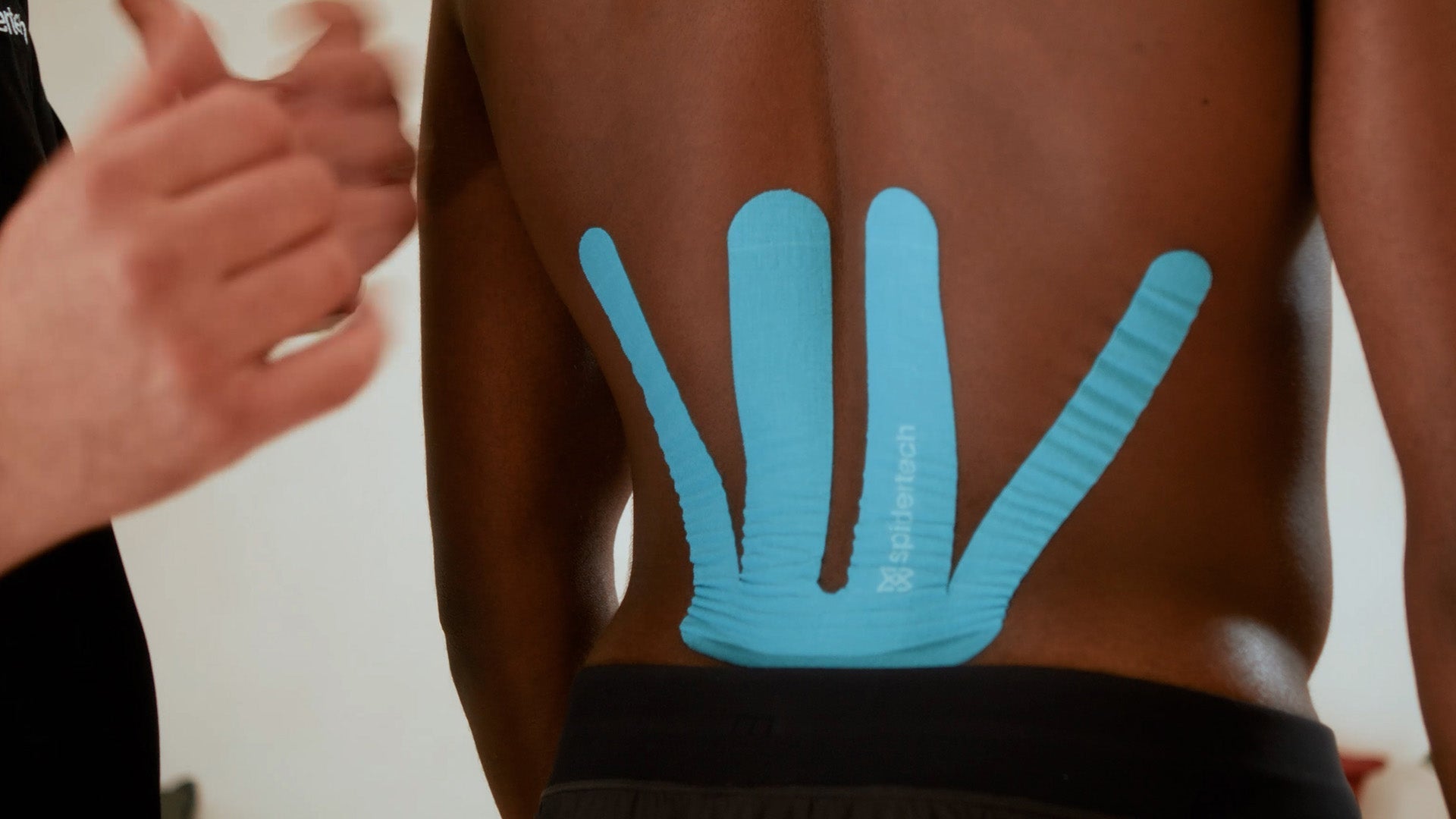
- Application considerations: Use evidence-informed taping patterns, correct tension, and clear patient education. Consider tape for short periods (days to weeks) and monitor for skin reactions. In cases requiring more support, consider more combined taping with athletic tape.
- Set realistic expectations: Explain that tape may help early pain and improve comfort for movement. Long-term improvement requires active rehabilitation and addressing psychosocial contributors to chronic pain.
Bottom line
Kinesiology tape can be a helpful adjunct for low back pain, particularly in the acute phase where it may speed pain control and reduce analgesic use. For chronic low back pain, evidence is mixed: kinesiology tape may produce short-term reductions in pain and disability when combined with exercise, but it does not replace guideline-based multimodal care. Clinicians should use kinesiology tape strategically, measure outcomes, and prioritise exercise and active rehabilitation for long-term benefit.
Learn More
Our comprehensive Skool platform covers taping techniques as well as free webinars that go over taping efficacy. Sign up for free and start taking advantage of our courses.
References:
- Effect of exercise and manual therapy or kinesiotaping on sEMG and pain perception in chronic low back pain: a randomized trial
- Effectiveness of Kinesio Taping in Patients With Chronic Nonspecific Low Back Pain: A Systematic Review With Meta-analysis
- Efficacy of adding the kinesio taping method to guideline-endorsed conventional physiotherapy in patients with chronic nonspecific low back pain: a randomised controlled trial
- The effect of Kinesio taping application for acute non-specific low back pain: a randomized controlled clinical trial
- Short-term effect of kinesiology taping on pain, functional disability and lumbar proprioception in individuals with nonspecific chronic low back pain: a double-blinded, randomized trial
- The efficacy of kinesio taping as an adjunct to physical therapy for chronic low back pain for at least two weeks
- Immediate and acute effects of Kinesio taping on back muscle endurance, low back flexibility, and balance among sedentary individuals: A randomized controlled trial
Share:
Spidertech Kinesiology Tape For Running Injuries: What Research Says About ITB, Shin Splints & Knee Pain
How Spidertech Kinesiology Tape Influences Pain Pathways