





Key Takeaways
- Kinesiology tape’s popularity has grown consistently over the past two decades due to its high-visibility use by elite athletes, widespread media exposure, and public perception of benefits across performance, recovery, and pain management.
- The tape’s rise in public awareness was catalyzed by its massive presence at global events such as the Olympics, where it was seen on medal-winning athletes and repeatedly televised, driving public curiosity and adoption.
- Scientific literature shows mixed effectiveness for performance outcomes but does support some sensory and proprioceptive effects and a strong psychological component to why users report benefits.
- Endorsements, sponsorships, and elite athlete use across sports continue to fuel interest, even when research evidence is inconclusive, because visibility drives belief — both in athletes and the general public.
Kinesiology taping once existed primarily as a clinical tool used by bodyworkers and rehabilitation professionals. Today you’ll see it on elite athletes across major sports, in popular fitness communities, on social media, and even in casual weekend athletes’ training kits. But what’s behind this widespread appeal? This blog explores how kinesiology taping moved from niche therapeutic tape to a mainstream athletic phenomenon and why public appeal continues to grow, driven by science, culture, and athlete adoption.
1. Early Visibility At Major Sporting Events
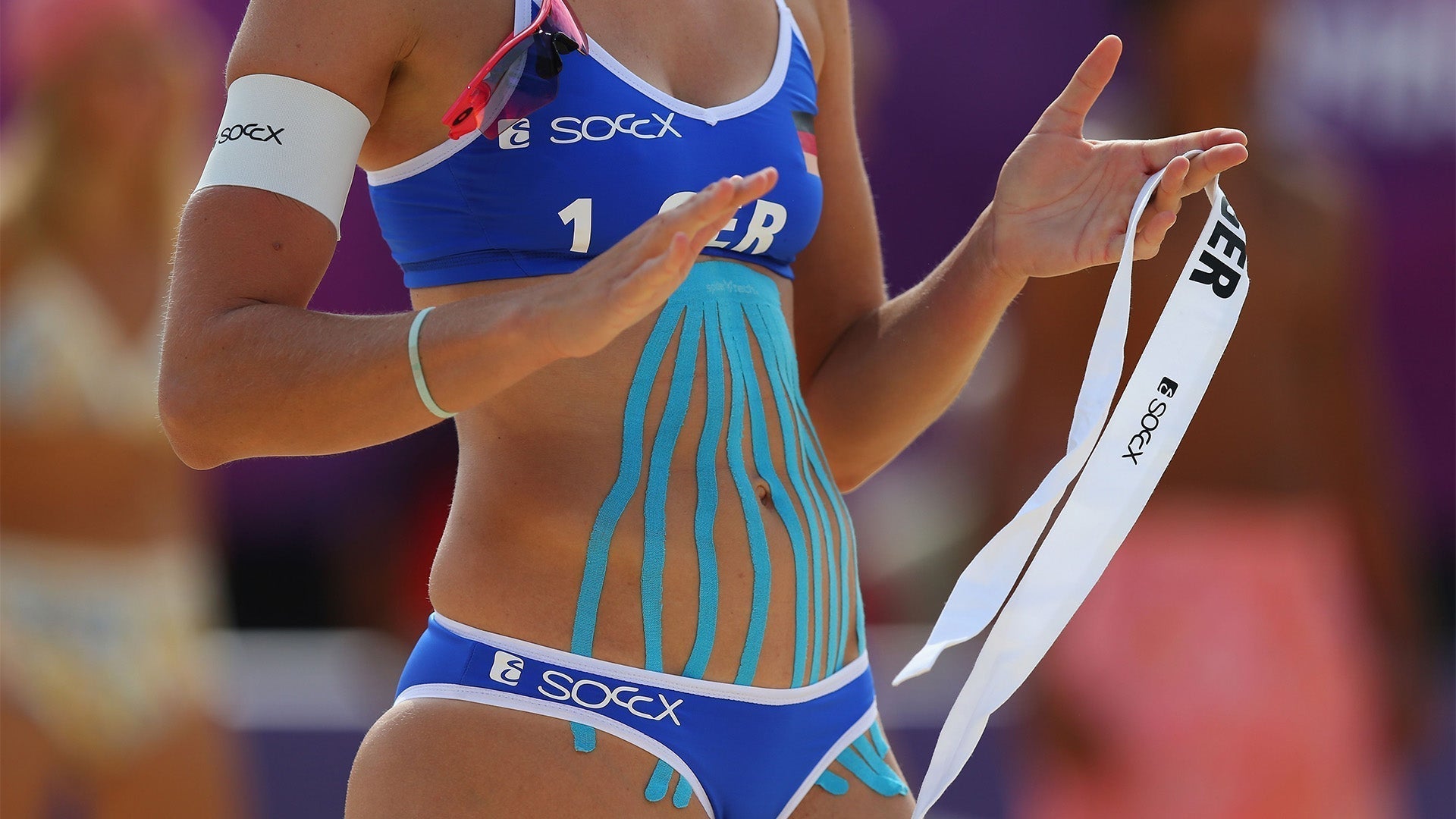
Spidertech kinesiology tape first gained mass public attention during major global sporting events, most notably the 2012 London Olympics. Brightly colored strips on the bodies of Olympic athletes, such as volleyball olympians, made kinesiology tape instantly recognizable to global audiences.
This enormous exposure acted as a catalyst for adoption: platforms like television, newspapers, and later social media amplified every image of an athlete “taped up,” creating psychologic and cultural momentum around the product.

2. Integration Into Professional Sport Culture
Following Olympic visibility, elite athletes across many sports, including tennis, basketball, soccer and track and field, began incorporating kinesiology tape into their training and competition attire. The trend is visible across televised sport and athlete social media, where kinesiology tape is frequently worn for muscle support, recovery, or perceived performance benefit. Sports Illustrated and other mainstream outlets have long noted the transition from traditional white athletic tape to elastic taping in elite settings.
Professional teams across the NBA, NFL, soccer leagues, and Olympic squads often integrate kinesiology taping into prehabilitation, injury management, and return-to-play strategies, further normalizing its use both inside and outside professional athletics.
3. Benefits Draw Attention
Clinical research on kinesiology tape’s effectiveness in enhancing measurable performance outcomes is mixed, with systematic reviews showing limited evidence for strength, sprinting, or jumping improvements. Other studies report improvements in proprioception and neuromuscular function or reduction in pain for specific musculoskeletal conditions.
For many users, these benefits, whether sensory cues, proprioceptive feedback, or subtle pain modulation, justify its use and fuel word-of-mouth influence. This subjective effectiveness is a powerful driver of popularity, especially when athletes share their personal experiences or use during competitions.

4. Psychological Effects
High user satisfaction reported in some studies and reviews suggests a strong psychological component to kinesiology tape’s appeal. Individuals may feel more confident, supported, or ready to perform when wearing tape, even if objective performance changes are small or absent.
This psychological impact, often described as a confidence or sensory cue, contributes to repeat usage and ongoing public curiosity. Many recreational athletes adopt it as part of their pre-game ritual, similar to specialized footwear, compression gear, or mental preparation routines.
5. Visibility And Marketing
Part of Spidertech’s appeal is aesthetic and visible branding. Unlike traditional white athletic tape, Spidertech comes in distinct pre-cut designs that stand out in photos and broadcasts, reinforcing its presence as a performance accessory. This visibility helps drive social media engagement, consumer interest, and mainstream retail adoption.

6. Modern Athlete Adoption
Kinesiology tape is routinely observed on athletes during games and training sessions across basketball, soccer, tennis, and track and field. These patterns are widely discussed in sports communities and social media posts by fans and analysts who observe elite athletes wearing tape in ways that appear tied to injury management, comfort, or perceived performance support.
7. Growth In Scientific And Public Interest
Quantitative studies of public and scientific trends show that interest in kinesiology taping has expanded substantially: both Google search data and scholarly research output on kinesiology taping have increased significantly since the early 2000s. This trend reflects growing public demand and clinician curiosity alike.
Bottom Line
a powerful combination of visibility, cultural exposure, athlete adoption, and perceived benefits. Elite and recreational athletes alike incorporate tape into training and competition. As research continues, the tape’s place in both clinical and athletic contexts remains a mix of evidence-informed practice and real-world user experience.
Learn More
Our comprehensive Skool platform covers taping techniques as well as free webinars that go over taping efficacy. Sign up for free and start taking advantage of our courses.
References:
- The Company Behind Electric Blue Tape Worn By Athletes At The London Olympics
- Tokyo Olympics: that sports tape divers, gymnasts and other athletes cover their bodies with - could it benefit you?
- Olympic Fashion Statement: What's Up With The Colored Tape?
- Here's why Olympic athletes wear that weird tape
- Kinesio taping in sports: A scoping review
- The effects of kinesiotape on athletic-based performance outcomes in healthy, active individuals: a literature synthesis
- SPORTS THERAPEUTIC KINESIOLOGY TAPE MARKET
Share:
Combining Spidertech With HIIT: Why They Work Together
Using Spidertech In Winter Sports: Evidence, Application, And Why It Matters